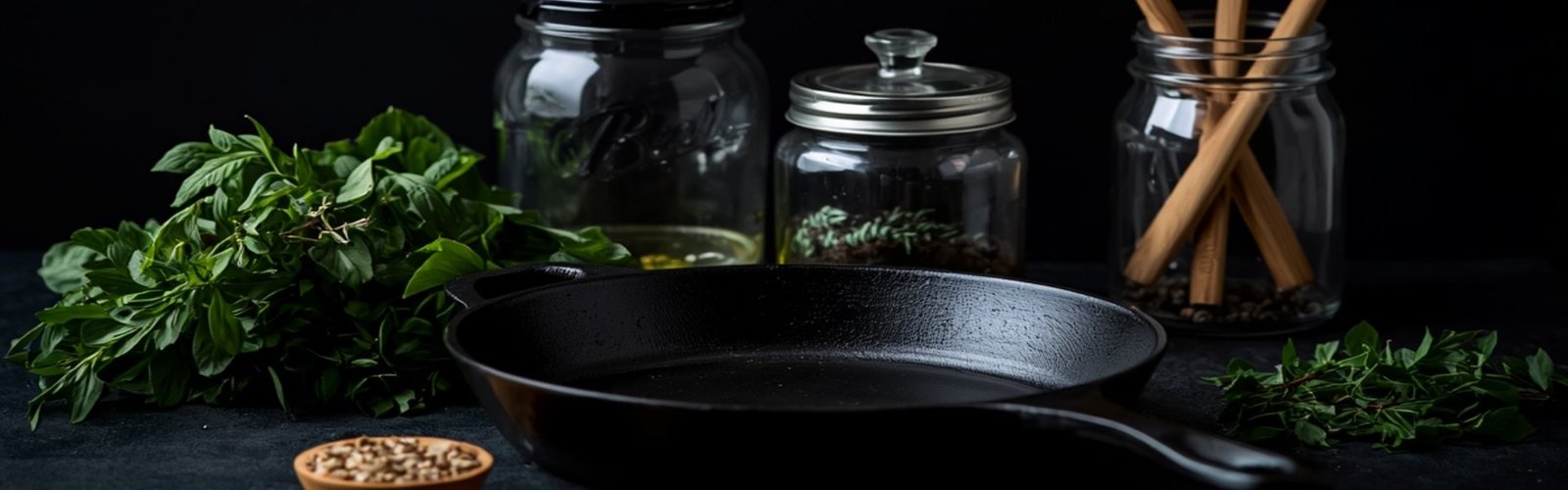
01 — The Foundation: Non-Toxic Kitchen Essentials
Your Kitchen is Working Against You. Let’s Fix That.
Your kitchen shouldn’t be quietly sabotaging your health. You cook in it every day. You store food in it. You drink water from it. The stuff your food touches matters more than most people realize — and swapping even a few key things makes a real difference.
Jump to a section
Non-Toxic Small Appliances
shop all →Most people don’t think about what their appliances are made of — but plastic and non-stick coatings at high heat is not a great combo. Look for stainless steel or glass surfaces and skip anything with mystery coatings you can’t identify.
What to avoid: Hidden plastic in high-heat areas, mystery non-stick coatings, anything that smells like chemicals the first few times you use it.
Borosilicate glass vessel, zero non-stick coatings, zero toxic nonsense. Cook, serve, and store in the same container. Includes two sizes because your meal prep has layers.
Shop This Swap →Air fry, roast, bake, broil, toast, and steam — in one compact footprint. The steam infusion feature means leftovers actually taste like food instead of cardboard. Preheats 75% faster than your regular oven too.
Shop This Swap →100% glass, zero Teflon, zero PFAS. Add soap and water, hit a button, done. Comes with a rotisserie motor because why not go all the way.
Shop This Swap →Non-Toxic Bakeware
shop all →Bakeware gets HOT — and whatever coating is on it goes right along for the ride. PFAS and mystery glazes have no business being near your food at 400 degrees. I did the digging — here’s what’s actually safe.
What to avoid: Unidentified non-stick coatings, low-quality silicone with fillers, glazed pieces from brands that won’t disclose materials.
PFAS-free ceramic coating, oven-safe up to 550°F, and compact enough for small kitchens. Everything your old coated pans were pretending to be without the chemical surprise at high heat.
Shop This Swap →Porcelain enamel, no PFAS, no coatings that flake off into your soup. Holds heat like nothing else, goes from stovetop to oven to table, and will genuinely outlive you.
Shop This Swap →18/10 stainless steel, made in the USA, zero aluminum, zero chemical coatings, zero mystery flakes in your roasted vegetables. Buy it once and never think about it again.
Shop This Swap →Non-Toxic Cookware
shop all →Teflon releasing toxic fumes when overheated isn’t a conspiracy theory — it’s just chemistry. Scratched or overheated non-stick pans are literally off-gassing into your food and your air. Cast iron, stainless steel or ceramic — pick one and don’t look back.
What to avoid: Inexpensive non-stick pans with unclear labeling, anything that chips or scratches easily, “PFOA-free” claims without full PFAS transparency.
5-ply stainless steel, no coatings, nothing to scratch off into your food. Lasts forever if you treat it right. Has a learning curve — food sticks until you figure out the heat thing — but then it’s yours for life.
Shop This Swap →Indestructible, naturally non-stick once seasoned, and costs less than a nice dinner. Has been the correct answer since 1896. If you only swap one thing in your kitchen, make it this.
Shop This Swap →If you’re not ready to fully commit to cast iron, ceramic non-stick is a solid middle ground. PFAS-free, actually non-stick, and works like a normal pan. Not forever cookware but a real upgrade.
Shop This Swap →Non-Toxic Food Storage
shop all →Heating leftovers in plastic is basically marinating them in chemicals. Glass is the move — it doesn’t leach, it doesn’t stain, and it doesn’t make your food smell like last Tuesday’s curry. Stainless steel and food-grade silicone work too.
What to avoid: Plastics labeled #3, #6, or #7. Anything you’d microwave food in. Flimsy containers that warp in the dishwasher after three uses.
Glass containers, BPA-free lids, available everywhere, reasonably priced. Microwave safe, oven safe, and you can see exactly what’s in them so you actually eat your leftovers. Problem solved.
Shop This Swap →Food-grade silicone bags that replace zip-locks. Reusable, dishwasher safe, no plastic leaching into your food. Better for the planet and for your sandwich. The clear winner for snacks and sandwiches.
Shop This Swap →German glass jars that store everything from soup to salad dressing to leftover pasta. No rubber seals with mystery chemicals, no plastic anything. They also look good in your fridge, which shouldn’t matter but does.
Shop This Swap →Non-Toxic Kitchen Tools
shop all →Plastic spatulas melting into your scrambled eggs is not adding flavor — it’s adding microplastics. Wooden, stainless steel or high-quality silicone tools are cheap, easy to find and last forever. Easy swap, big difference.
What to avoid: Soft plastic handles near heat, peeling coatings, anything labeled “silicone” without confirming it’s 100% food-grade with no fillers.
11 pieces, handcrafted in Montana from sustainable hardwoods, zero plastic, zero melting, zero microplastics in your scrambled eggs. Designed to last generations, which is more than you can say for the plastic spatula currently living in your drawer.
Shop This Swap →Solid American Black Walnut, 1.5” thick, zero mystery glues or plastic. Naturally antimicrobial, reversible, and heavy enough that it won’t slide around while you’re trying to chop. Buy it once, use it forever.
Shop This Swap →German-engineered Wacker silicone, handles up to 500°F without off-gassing, and replaces a lifetime of parchment paper and aluminum foil. Clean, reusable, and legitimately non-stick.
Shop This Swap →