Non-Toxic Dog Bowls: What’s Really in That Dish
Your dog eats and drinks from the same bowl every day for years, and almost nobody checks what it’s made of. Here’s where lead actually hides, and the non-toxic dog bowls worth buying.
♥︎ Affiliate Disclosure: This post contains affiliate links. If you shop through them, I may earn a small commission at no extra cost to you. Your support keeps Clean AF Life thriving — endlessly appreciated.
Think about how much time your dog’s tongue spends on one surface. Breakfast, dinner, every drink of water, and a thorough polish after each meal, every day for maybe twelve years. That’s why non-toxic dog bowls are worth five minutes of your attention, even if you’ve never given the bowl a second thought.
The short version: the material matters, the decoration matters more, and the label on the listing doesn’t tell you much.
Nobody’s Checking Your Dog’s Bowl
The dishes you eat from have rules. The FDA limits how much lead can leach out of ceramic made for people. Toys and other products made for kids have a hard limit on how much lead they can contain at all.
Your dog gets neither. In the words of Lead Safe Mama, who tests consumer goods for toxic metals, “most pet supplies are not regulated for toxicants.”
So when a pet bowl listing says “food-safe” or “lead-free,” that’s usually the seller’s word and nothing else. So finding truly non-toxic dog bowls, or lead-free dog bowls, comes down to knowing which materials carry the risk.
The Problem With Pretty Ceramic
Ceramic is the trickiest material in non-toxic dog bowls. It gets its shine and color from glaze, and glaze is where lead can show up. A plain, well-made ceramic bowl can be perfectly fine. A cute one is a bigger gamble.
Here’s a real example. When a pink glazed ceramic dog bowl was screened with an XRF analyzer, the same kind of instrument regulators use, the surface where the word “Hungry” was printed read 190 ppm lead. That’s the part the food sits on. The logo on the bottom read 495 ppm. For comparison, the limit for paint and coatings on children’s products is 90.
XRF tells you what’s in the surface, not how much ends up in the kibble. But a dog bowl gets licked clean twice a day for years, so it’s not a surface you want to be guessing about.
If you love ceramic, keep it boring: solid color, nothing printed or painted inside, no raised decoration (Whole Dog Journal warns glaze may not fully cover textured spots), and retire it the moment it chips or cracks.
Why Plastic Is Out
The trouble with plastic is scratches. Every tooth mark and scrubbing scuff becomes a little trench where bacteria settle in, and those trenches don’t wash out.
“BPA-free” doesn’t help much here either. It tells you about one chemical in a material that’s still getting chewed on daily. When you’re shopping for non-toxic dog bowls that will get licked for years, there are better materials.
Stainless and Glass: What to Look For
Stainless steel is the easy answer for non-toxic dog bowls, because there’s no glaze for lead to hide in. Look for 304 stainless (also sold as 18/8), and skip anything with a printed or painted interior.
Glass makes solid non-toxic dog bowls too, especially for water, as long as it’s completely clear. Lead Safe Mama advises avoiding tinted recycled glass, since recycled material can bring lead along with it. Blue or green tint is the giveaway.
💡 The Two-Second Test
Look inside the bowl. If you can see paint, a printed word, a cute paw print or a colored pattern anywhere food touches, put it back. The fancier the bowl looks, the more you should want proof.
Start Living Low Tox
Sign up for occasional low tox inspo, honest reviews, non-toxic swaps, and helpful picks for a healthier home and lifestyle.
The Best Non-Toxic Dog Bowls
These non-toxic dog bowls are all plain stainless or clear glass, starting with the one that has actual lab results behind it. You’ll find them, plus more sizes and styles, on my Non-Toxic Pet Bowls page.
The stainless bowls in this raised set are NSF-certified, and NSF’s lab detected no lead leaching from them. USA-made 304 steel, a stand that keeps your dog’s neck happy, and a mat that catches the mess.
Shop on Amazon →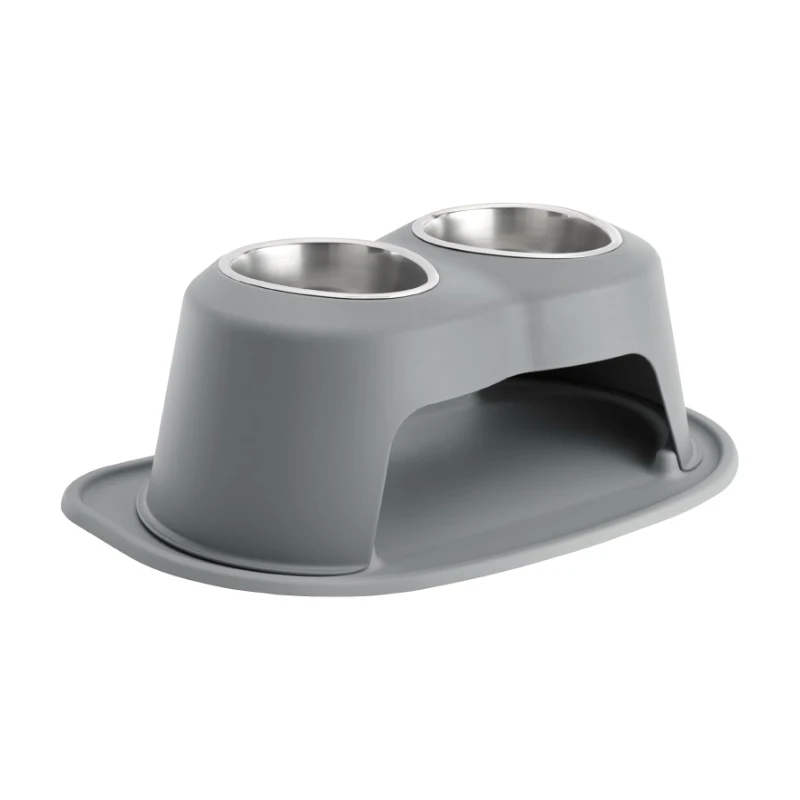
Two 304 stainless bowls with a non-slip silicone base, so one can sit in the dishwasher while the other stays on duty. Good steel, no glaze, no nonsense.
Shop on Amazon →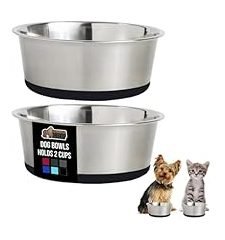
Food-grade stainless with a raised flower shape in the middle that makes fast eaters slow down. No glaze, no coating where the food goes, and a non-slip base.
Shop on Amazon →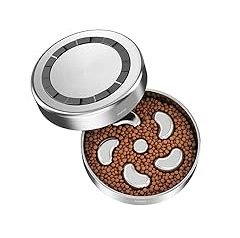
Two clear glass bowls on a tilted iron stand, made for small to medium dogs: one for food, one for water. Glass doesn’t hold onto odors, and the bowls are dishwasher-safe.
Shop on Amazon →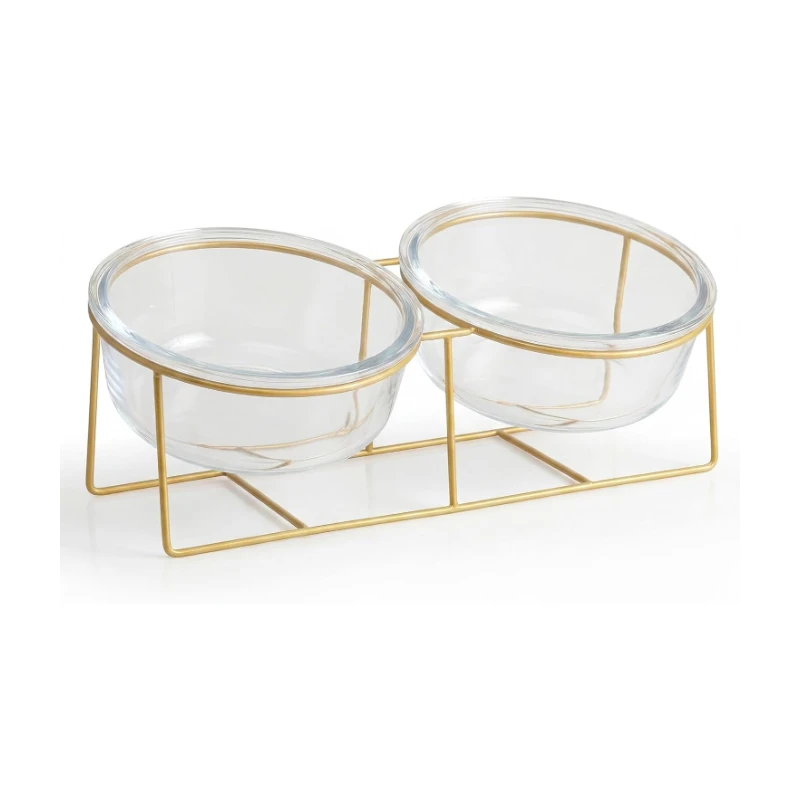
Made in the USA from 18/8 stainless, and the company says every batch is tested for lead, mercury and cadmium by an independent lab. Wide and shallow, so whiskers stay out of it.
Shop on Amazon →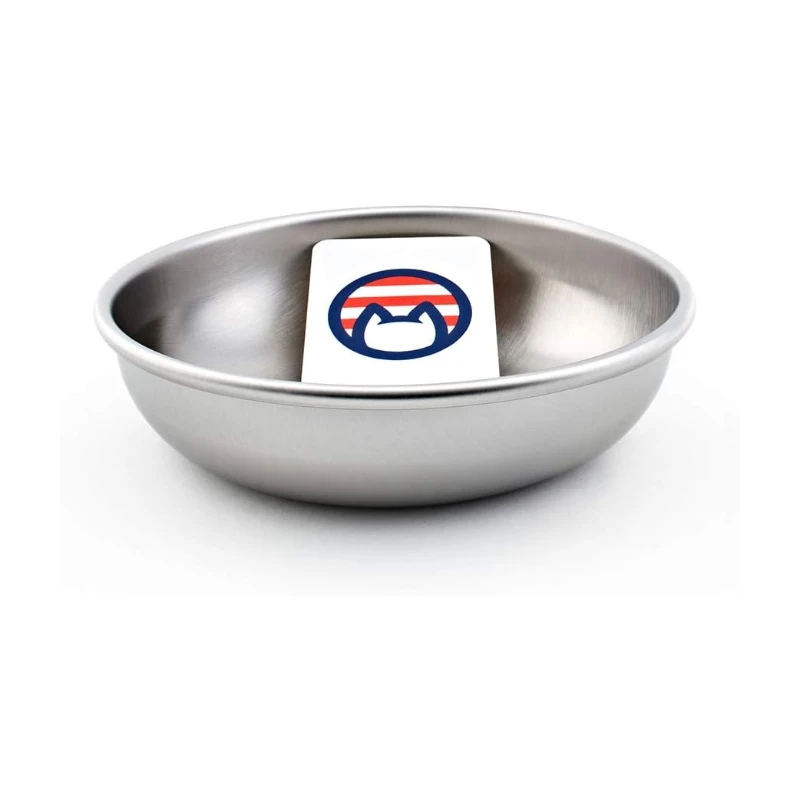
How to Keep a Good Bowl Good
- Wash it daily. That slimy film inside a water bowl is bacteria, and it comes back fast. Most non-toxic dog bowls can go straight in the dishwasher.
- Own two. One in use, one in the wash, so you never skip a day.
- Check for damage. Toss ceramic or glass the moment it chips, and retire stainless that starts to rust.
- Watch the base. Silicone rings and non-slip feet trap grime, so pull them off to clean underneath when you can.
The Bottom Line
Pet bowls don’t have the rules your own dishes do, so the safest move is to buy a bowl with less to go wrong. Plain 304 stainless or clear glass beats a printed ceramic every time, and non-toxic dog bowls don’t have to be fancy to do the job. If you want the one with lab results behind it, that’s the WeatherTech.
Everything I recommend for mealtime, including stainless, glass, ceramic and water fountains, lives on my Non-Toxic Pet Bowls page.
Happy feeding. — Me ♥︎