Is Ceramic Cookware Actually Safe? The Answer Is Complicated.
Ceramic cookware is marketed as the safe, non-toxic alternative to Teflon. The reality is more “it depends” and less “congratulations, you’ve solved cooking.” Here’s the honest breakdown.
♥︎ Affiliate Disclosure: This post contains affiliate links. If you shop through them, I may earn a small commission at no extra cost to you. Your support keeps Clean AF Life thriving — endlessly appreciated.
📅 Updated March 2026
The HexClad section has been revised to reflect their 2024 switch from PTFE to TerraBond™ ceramic coating and their $2.5 million class action settlement. All other sections are current.
You’ve been standing in the cookware aisle, Teflon pan in one hand, “ceramic nonstick” pan in the other, thinking you’re making the healthy choice by picking the ceramic one. Cute. We need to talk.
Ceramic cookware has a marketing problem — specifically, it’s being marketed as the safe, non-toxic alternative to Teflon when the reality is a little more “it depends” and a little less “congratulations, you’ve solved cooking.” Here’s what’s actually going on.
Two Very Different Things Called “Ceramic Cookware”
This is where everyone gets confused, and the cookware industry absolutely loves that you’re confused.
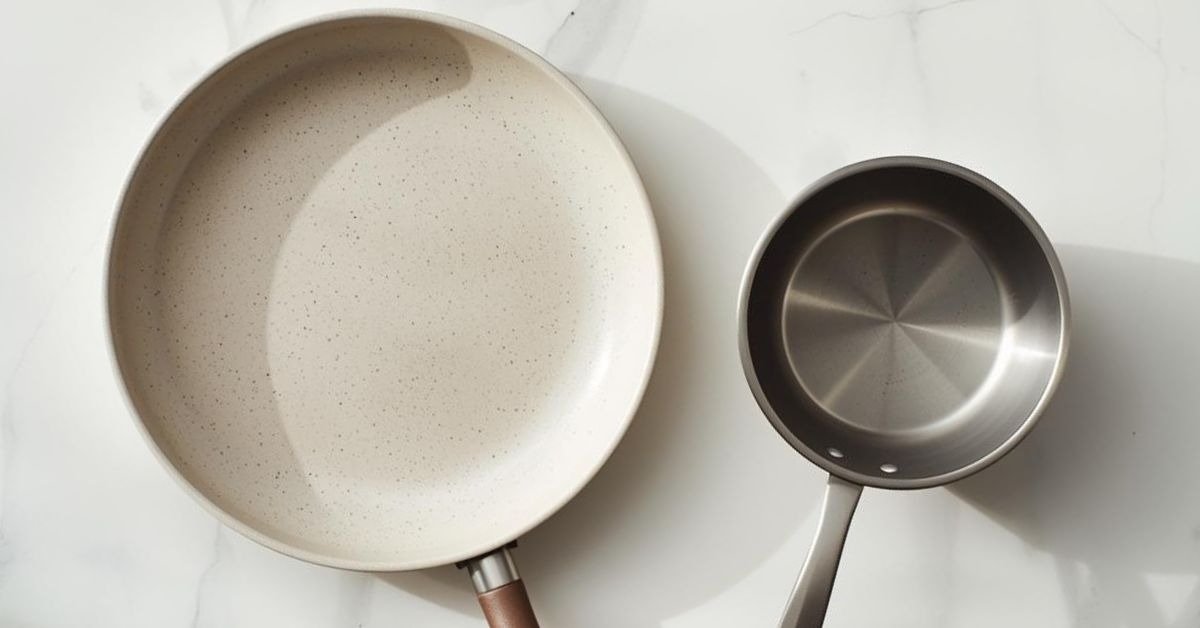
Pure ceramic cookware is made entirely from natural clay materials, fired at high heat. No coating, no chemicals, no nonsense. Brands like Xtrema make this. It’s genuinely inert, genuinely safe, and genuinely fragile and expensive. Also heavy. Also not something most people actually cook with daily unless they really commit to the bit.
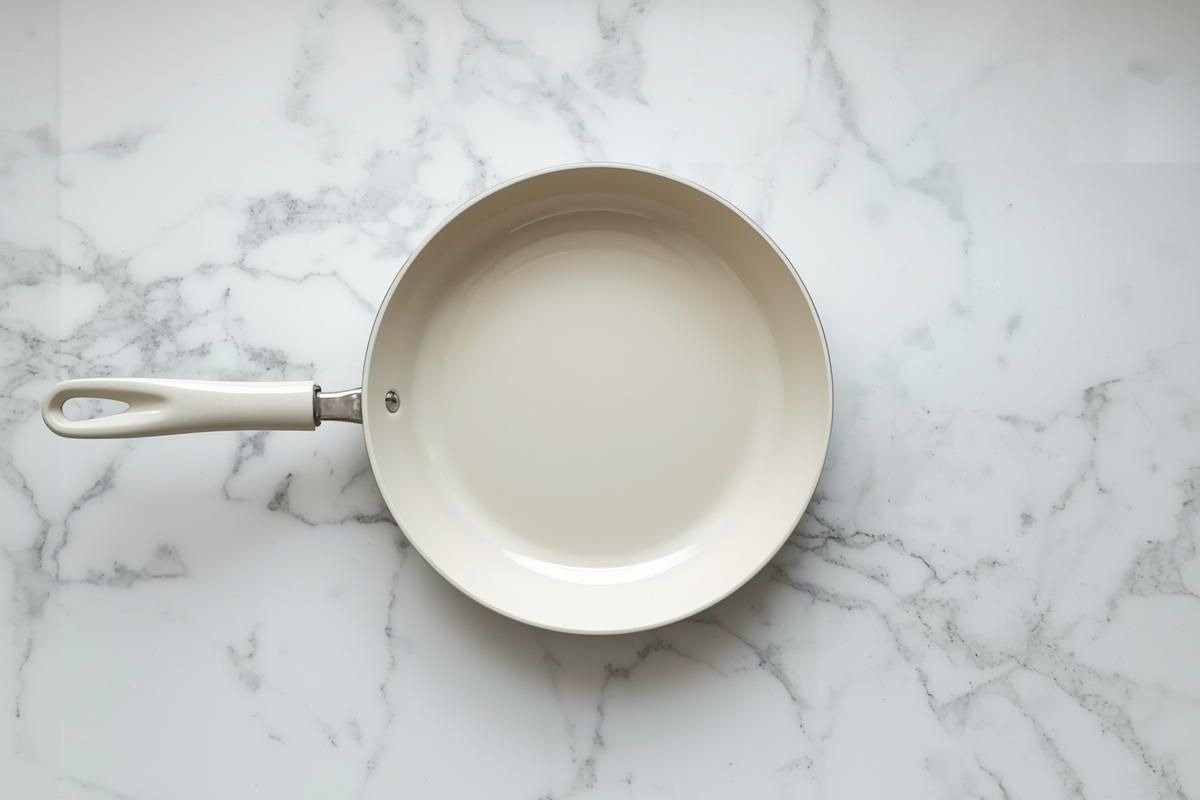
Ceramic coated cookware is aluminum (or sometimes stainless) with a thin ceramic-based coating on top. This is what 99% of the “ceramic” pans on the market actually are — including the pretty ones in every color that are all over your Instagram feed. It’s what GreenPan is. It’s what Our Place is. It’s what most of the “non-toxic nonstick” options are.
One of these is actually ceramic. One of them is just wearing ceramic’s outfit.
So Is Ceramic Coated Cookware Safe?
Sort of. Until it isn’t.
Here’s the thing about ceramic coatings: they don’t contain PFAS (the chemicals in Teflon that everyone’s been rightfully freaking out about). So right out of the box, ceramic coated pans are genuinely a better choice than traditional nonstick. That part of the marketing is true.
The problem is the coating degrades. Faster than you’d expect, faster than the box implies, and definitely faster than the influencer who got paid to hold it up will ever mention.
Once the coating starts scratching or chipping — from metal utensils, from stacking your pans, from washing it like a normal person — whatever’s underneath is now also in your food. That underneath part is usually aluminum. Which is not exactly what you were going for when you paid extra for the “safe” pan.
The other fun fact nobody advertises: ceramic coatings can also break down with high heat over time, even without visible scratches. So the pan that seemed fine six months ago might be doing a lot less protecting than you think.
The GreenPan, Our Place, and Caraway Situation
I have a GreenPan. I’m not throwing it out.
GreenPan is one of the more transparent brands in the ceramic coated space — their Thermolon coating genuinely doesn’t contain PFAS, lead, or cadmium, and they’re more upfront than most about what their pans are and aren’t. As ceramic coated pans go, it’s a reasonable choice.
Our Place — same category, same coating situation, just with a more aesthetic Instagram presence and a pan that comes with its own little lid that everyone loses within a month.
And then there’s Caraway. Same ceramic coated aluminum as the others, except you’re paying $400+ for the privilege. Their marketing is very good — “free of PTFE, PFOA, lead and cadmium” sounds impressive until you realize that’s basically just saying they don’t use stuff that’s already illegal or heavily scrutinized. It’s not exactly a high bar, and it’s definitely not a $400 high bar. The coating will still degrade. It will still scratch. It just does it in a prettier color with better packaging.
💡 The Reality Check
Spoiler: GreenPan, Our Place, and Caraway are all the same category of pan. The only thing that changes is the price tag and the Instagram aesthetic.
To be fair to all three — they’re genuinely better than traditional Teflon nonstick. But none of them are the permanent non-toxic solution they’re marketed as. They’re ceramic coated pans. Treat them that way: no metal utensils, no cranking the heat, no aggressive scrubbing. Use them carefully and replace them when they show wear.
Thermolon coating — PFAS-free, PFOA-free, lead and cadmium-free. More transparent than most brands about what their pans are and aren’t. Does the job, doesn’t cost $400. Replace it when it shows wear.
Shop Non-Toxic Cookware →And Then There’s HexClad
Gordon Ramsay is everywhere right now telling you HexClad is the last pan you’ll ever need. It looks incredible. It’s got that cool laser-etched hexagon pattern. It costs $200 per pan. For a long time, there was a real problem with it — and then things got complicated in a different way.
HexClad quietly used PTFE — the chemical compound in Teflon — in their nonstick coating right up through early 2024. They didn’t exactly lead with that information, which is part of why they ended up settling a $2.5 million class action lawsuit covering purchases made between February 2022 and March 2024. The allegation: marketing PTFE-coated pans as “non-toxic.” Draw your own conclusions about whether that was an honest mistake.
In 2024, they switched. Current HexClad now uses a proprietary ceramic nonstick coating called TerraBond™ — PTFE-free and PFAS-free, per their own testing and third-party lab results showing PFAS below detectable limits. That’s a real improvement, and they deserve credit for making it.
⚠️ If You Have Older HexClad
Pans purchased before April 2024 likely still have the original PTFE coating. If you’re unsure, check HexClad’s site — the TerraBond pans are labeled as such. The class action settlement is still open for eligible purchases made between Feb 2022 and Mar 2024.
Here’s the “but” — and there’s always a but with cookware marketing: TerraBond is still a ceramic coating. Which means it’s subject to everything we already discussed above. It will degrade, it will scratch, the nonstick properties will decline. Because HexClad only made the switch in 2024, there’s no long-term real-world data on how TerraBond holds up over years of actual cooking. We simply don’t know yet.
There’s also the nanoparticle question. Ceramic coatings — TerraBond included — use titanium dioxide nanoparticles. The research on long-term exposure is not settled science. It’s probably not the next PFOA situation, but it’s also not “definitely fine forever.” That’s not fear-mongering, that’s just honest.
So where does HexClad land now? Better than it used to be. Not the permanent non-toxic solution the marketing implies. Still expensive for a ceramic-coated pan with open durability questions. Gordon Ramsay is still very well compensated.
Start Living Low Tox
Sign up for occasional low tox inspo, honest reviews, non-toxic swaps, and helpful picks for a healthier home and lifestyle.
What To Actually Cook With
If you want to get off the ceramic coated replacement cycle eventually, here are your actual options:
Stainless Steel
Nothing to flake, nothing to coat, nothing hiding. The downside is there’s a learning curve — looking at you, eggs — and if you don’t preheat it properly everything sticks and you’ll want to throw it out the window. Fair warning. Once you get it, you get it.
Tri-ply construction, no coating to degrade, no chemicals hiding anywhere. Oven safe to 600°F. Lasts literally decades. The learning curve is real but it’s a one-time investment that won’t need replacing. Check Home Goods — they show up there regularly for a fraction of retail.
Shop Stainless Steel →Want the full stainless steel breakdown including tips for actually cooking on it without losing your mind? I’ve got you covered →
Cast Iron
Indestructible, naturally nonstick once seasoned, will outlive you and your children. Also weighs approximately as much as a small car and the cleaning rules feel like a part-time job. Great for specific things, annoying as an everyday pan.
Carbon Steel
Cast iron’s less dramatic sibling. Lighter, seasons the same way, heats more evenly, what professional kitchens actually use. Doesn’t love acidic foods, but once it’s going it’s genuinely great. Fair warning: there’s a break-in period. You have to do an initial seasoning before you even cook on it, and the first few uses are the annoying phase — food sticks, you question your choices, you wonder why you didn’t just keep the GreenPan. Stick with it. Somewhere around use 5 it starts clicking, and after a month of regular cooking it’s a completely different pan.
Enameled Cast Iron
Like Le Creuset, or the more affordable versions that do basically the same thing. The enamel coating is inert and safe, no seasoning required, easy to clean. Still heavy, but at least it’s not high maintenance about it.
💡 The Honest Take
None of these are perfect. All of them are better than a degraded nonstick coating. Pick your tradeoff and commit to it.
You Don’t Need a Matching Set. You Need a Plan.
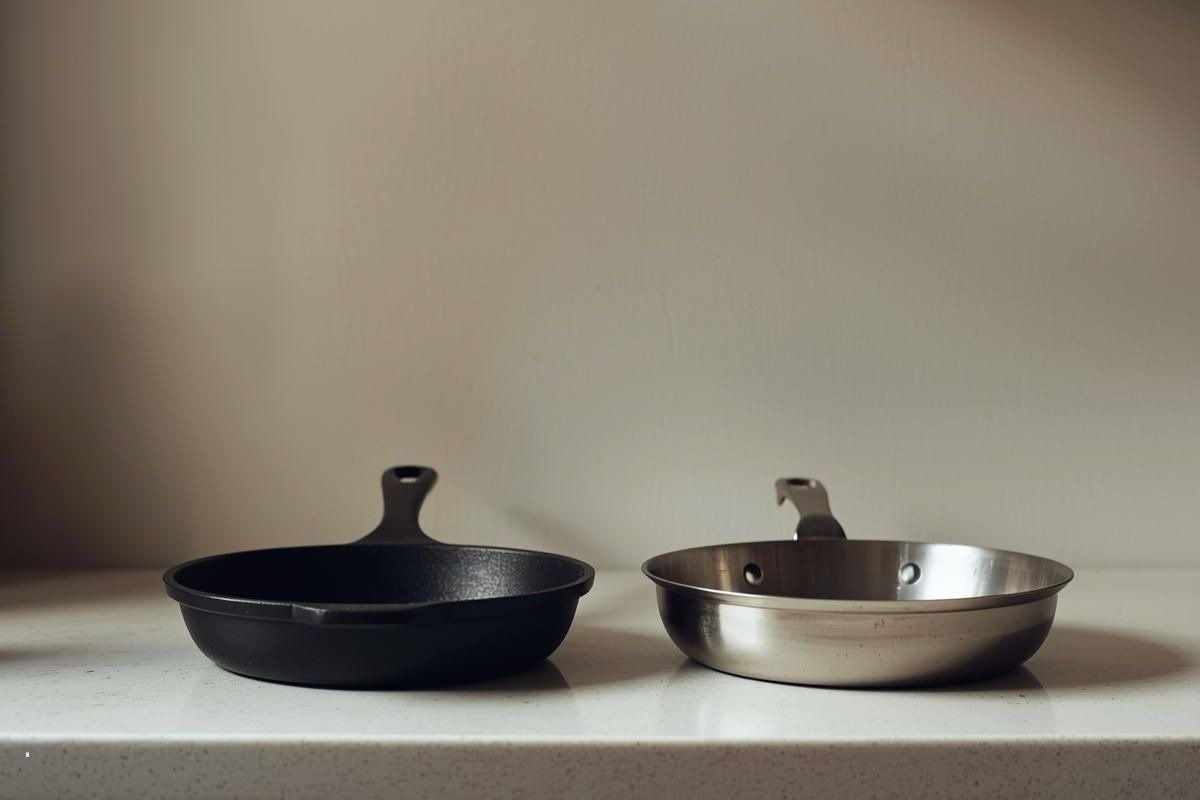
Here’s how my cookware situation actually looks: a stainless steel All-Clad pot I found at Home Goods for $24, a GreenPan for eggs because Sunday mornings are not the time for character building, and a cast iron I pull out specifically for steaks and burgers. Nothing matches. I don’t care.
Your cookware lives in a cabinet, not on a Williams Sonoma shelf. Nobody is coming over to admire how cohesive your pots and pans look. You need things that work, not things that coordinate.
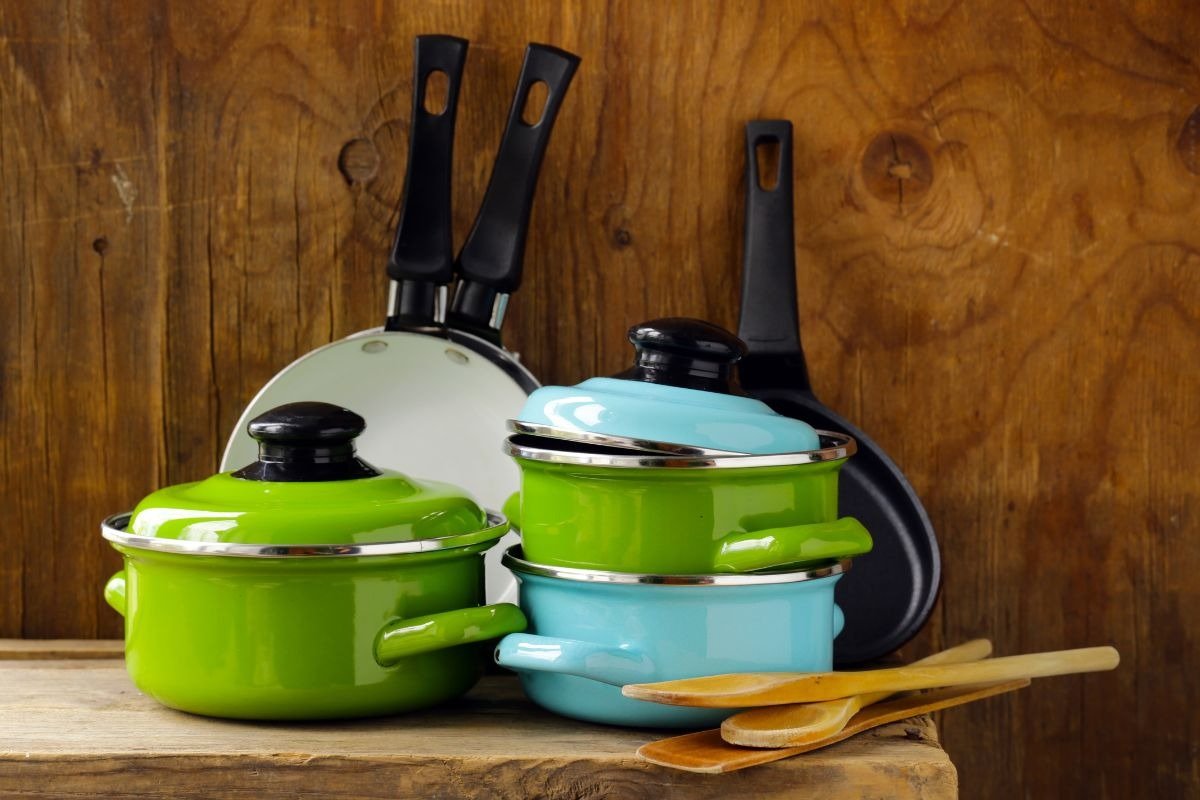
The 15-piece matching set is one of the biggest cookware scams out there. You will use the medium pan, the large pot, and maybe the small saucepan. The rest will get shoved to the back of the cabinet and pulled out approximately never. Meanwhile you just spent $600 on a “set” that does the same job as three individual pieces you could have bought for a fraction of the price.
Build your collection piece by piece based on what you actually cook. A pan for eggs, a heavy-bottomed pot for everything else, a cast iron for high heat. That’s genuinely all most people need. The rest is just marketing.
The Bottom Line
Ceramic coated cookware isn’t a scam — it’s just not the permanent solution the marketing implies. If you have it, use it carefully and replace it when it’s worn. If you’re shopping for something new, now you know what you’re actually choosing between.
The goal isn’t a perfect kitchen. It’s just a slightly less chemical-y one, one swap at a time.
Ready to upgrade? I’ve already done the vetting so you don’t have to.
Browse the Non-Toxic Cookware Shop →
— Me ♥︎
Frequently Asked Questions
Is ceramic cookware safe?
Sort of, and it depends on which kind. Pure ceramic is genuinely safe. Ceramic coated — which is what most pans actually are — is safe until the coating starts to degrade. Once it scratches or chips, whatever’s underneath (usually aluminum) is coming along for dinner whether you invited it or not.
Is ceramic cookware non-toxic?
Better than Teflon, yes. Completely non-toxic forever, no. Ceramic coatings don’t contain PFAS, which is a real win, but they do break down over time. Use it carefully, replace it when it’s worn, and you’re fine.
Is ceramic coated cookware safe?
Yes, with caveats. No metal utensils, no cranking the heat, no aggressive scrubbing. Treat it gently and it’ll behave. Treat it like a regular pan and the coating will let you know it’s unhappy by slowly disappearing into your food.
Is GreenPan cookware safe?
Yes, it’s one of the more honest brands in the ceramic coated space. Their Thermolon coating is free of PFAS, lead, and cadmium. Just don’t treat it like it’s indestructible — no ceramic coated pan is. Replace it when it shows wear.
Is Caraway cookware worth it?
For $400+? No. You’re paying a premium for aesthetics and marketing, not a fundamentally safer or more durable product. A GreenPan does the same job for a fraction of the price. The coating will degrade either way.
Is Our Place cookware safe?
Same category as GreenPan and Caraway — ceramic coated aluminum, no PFAS. The Always Pan is functional but it’s not doing anything other ceramic coated pans aren’t doing, it just comes in better colors. Also: everyone loses that little lid within a month. That’s not a safety issue, just a fact of life.
Is HexClad non-toxic?
Current HexClad (2024 and later) uses TerraBond™, a proprietary ceramic coating that’s PTFE-free and PFAS-free. That’s a genuine improvement over what they were selling before. The remaining questions are ceramic coating durability over time and titanium dioxide nanoparticles — neither of which has long-term data in this context yet. Pre-2024 HexClad used PTFE, which is what led to their class action lawsuit.
Did HexClad have Teflon?
Yes — up through early 2024, HexClad used PTFE (the chemical compound Teflon is made from) in their nonstick coating. They settled a $2.5 million class action lawsuit over marketing those pans as “non-toxic.” They switched to TerraBond™ ceramic in 2024. If you have pans from before that switch, the original PTFE coating situation applies to them.
Is HexClad worth it?
You’re paying $200 per pan for a ceramic-coated pan with a cool hexagon pattern. The PTFE problem is fixed. The ceramic coating will still degrade like all ceramic coatings do, and since TerraBond only launched in 2024 there’s no long-term durability data yet. Whether that math works for you is between you and your bank account.