Is Dawn Powerwash Safe?
The Truth About That Blue Spray
That foaming spray cuts grease in seconds — but the ingredient list tells a different story. Here’s what’s actually in Dawn Powerwash, why it makes some people cough, and what to use instead.
♥︎ Affiliate Disclosure: This post contains affiliate links. If you shop through them, I may earn a small commission at no extra cost to you. Your support keeps Clean AF Life thriving — endlessly appreciated.
Let’s be honest: Dawn Powerwash feels like magic. You spray it on a pan crusted with last night’s bacon grease, walk away for thirty seconds, and the gunk basically wipes itself off. No soaking, no scrubbing, no elbow grease. I get the obsession — I had a bottle parked on my sink for over a year.
But here’s the thing I couldn’t un-notice: that smell. That sharp, almost solvent-y hit you get the second you pump the trigger. And the little tickle in the back of my throat every time I worked through a big pile of dishes. So I did what I always do — I flipped the bottle around and actually read the label.
So, is Dawn Powerwash safe? Short version: it won’t send you to the ER, but it’s not the clean product the pretty bottle wants you to think it is. It leans on synthetic surfactants, a fragrance blend the company doesn’t have to disclose, and alcohol solvents — and the spray format is exactly what makes those ingredients more of a problem, not less. Let me show you what I found.
What Is the Dawn Powerwash EWG Rating?
The Environmental Working Group (EWG) — the nonprofit that grades cleaning products A through F — gives Dawn Ultra Platinum Powerwash a “C,” or Moderate Hazard. That holds across the Fresh, Citrus, and Apple scents.
A “C” isn’t a five-alarm fire. But for something you spray around your food, your dishes, and the air in your own kitchen, “moderate hazard” isn’t the grade you want. EWG flags it for the usual suspects: respiratory irritants, undisclosed synthetic fragrance, and ethoxylated surfactants.
⚠️ The “Free & Clear” Trap
You’d assume the Free & Clear Pear Scent version — the one marketed as the gentle option — would score better. It doesn’t. It’s still a “C.” Going “free and clear” strips the dyes but keeps the same synthetic cleaning chemicals doing the heavy lifting. The label looks softer. The chemistry barely changed.
Breaking Down the Dawn Powerwash Ingredients
I’m not going to fear-monger every word on the bottle — water and a couple of the salts are totally fine. But a few ingredients are worth knowing by name:
- Alcohol Denat. — a solvent that keeps the formula thin enough to mist through the sprayer. It’s also a big reason the stuff smells so sharp and flashes into the air the second you spray.
- Fragrances — one tidy little word hiding a cocktail of undisclosed synthetic chemicals. Companies are legally allowed to bundle dozens of ingredients under “fragrance” as a trade secret, so you genuinely don’t know what’s in there. EWG confirms it contains fragrance allergens.
- Phenoxyethanol — a synthetic preservative that’s a known skin-allergy and irritation trigger for sensitive folks.
- Sodium Laureth Sulfate (SLES) — a harsh synthetic surfactant. SLES itself isn’t the scary part; it’s the ethoxylation process used to make it, which can leave trace 1,4-dioxane, a contaminant the EPA classifies as a likely human carcinogen. It’s a trace-contamination risk, not a dose of poison in every spray — but it’s exactly the kind of thing a genuinely clean formula avoids.
Why Does Dawn Powerwash Make People Cough?
This is the complaint that comes up over and over in reviews and forums — people love how it cleans but say it makes them cough or tightens their chest. It’s not in their heads.
Here’s the difference. With regular liquid dish soap, the soap stays in the water — you’re not really breathing it. But the Powerwash sprayer puts a fine layer of that scented, alcohol-solvent formula into the air right in front of your face, and you inhale it. You’re not just cleaning the pan anymore; you’re breathing in fragrance VOCs and solvent vapor every time you pump the trigger.
For most people that’s a passing tickle. If you have asthma, reactive airways, or any respiratory sensitivity, it can be a real trigger — and “it cleans fast” stops being worth it pretty quickly.
Is Dawn Powerwash Bad for the Environment?
Dawn has built decades of goodwill on those “saving the ducks” oil-spill commercials, and credit where it’s due — Dawn is biodegradable, and that wildlife work is real.
But “biodegradable” and “harmless down your drain” aren’t the same thing. Those concentrated synthetic surfactants are powerful enough to strip grease off a pan — and powerful enough to disrupt the protective slime coat on fish and stress aquatic life when they hit waterways at scale. Biodegradable just means it breaks down eventually, not that it’s gentle on the way there.
Start Living Low Tox
Sign up for occasional low tox inspo, honest reviews, non-toxic swaps, and helpful picks for a healthier home and lifestyle.
How to Make a DIY Non-Toxic Powerwash Refill
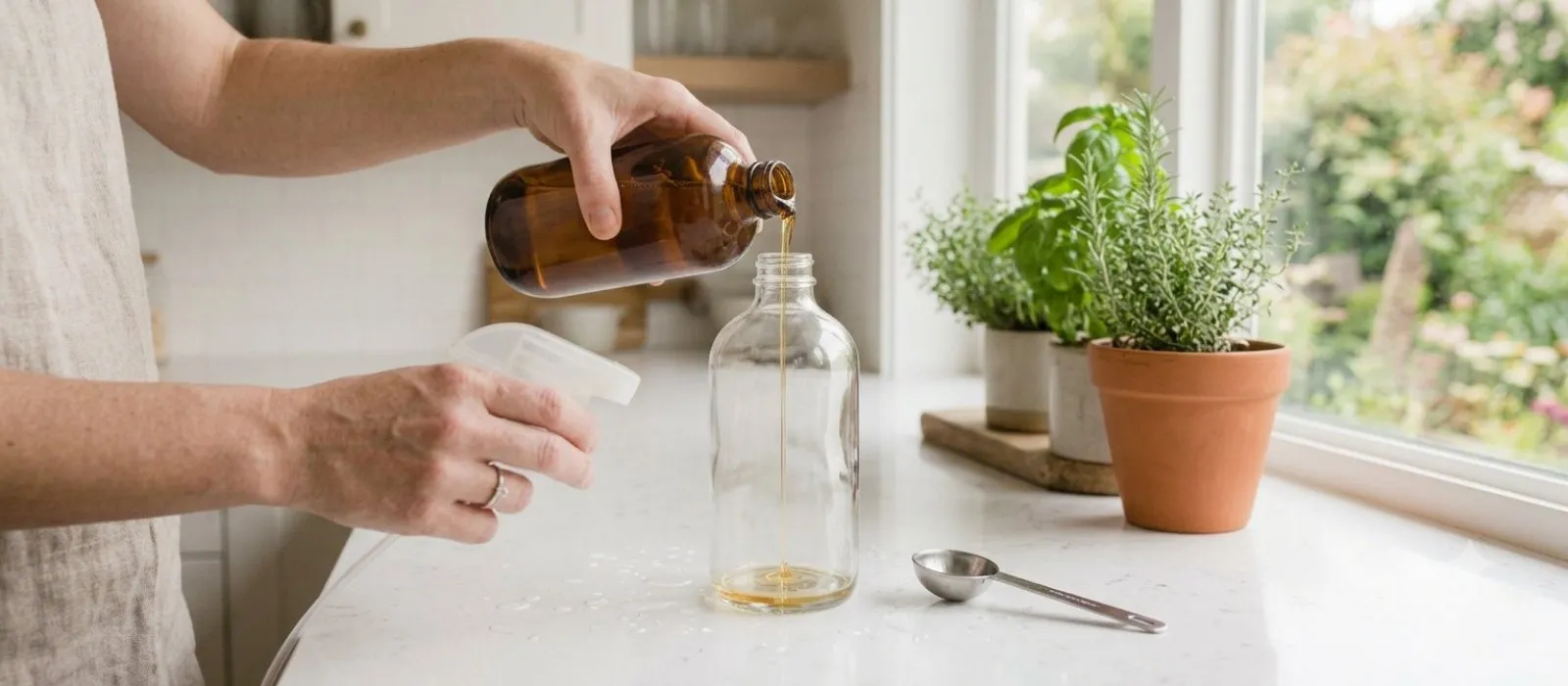
Here’s my favorite part: you don’t have to toss the Powerwash bottle. That foaming pump is genuinely the best thing about it — so keep the hardware and just ditch the formula inside.
The cleanest base I’ve found is Dr. Bronner’s Sal Suds. It’s a concentrated, plant-based cleaner that Dr. Bronner’s themselves recommend for dishes — and the brand is about as legit as it gets: five generations of the same family, EWG Verified, and so anti-greenwashing they walked away from their own B-Corp badge in protest. It’s lightly scented with real fir and spruce essential oils, so no synthetic fragrance.
A concentrated, plant-based cleaner Dr. Bronner’s themselves recommend for dishes — the cleanest base for your DIY refill spray.
Shop on Amazon →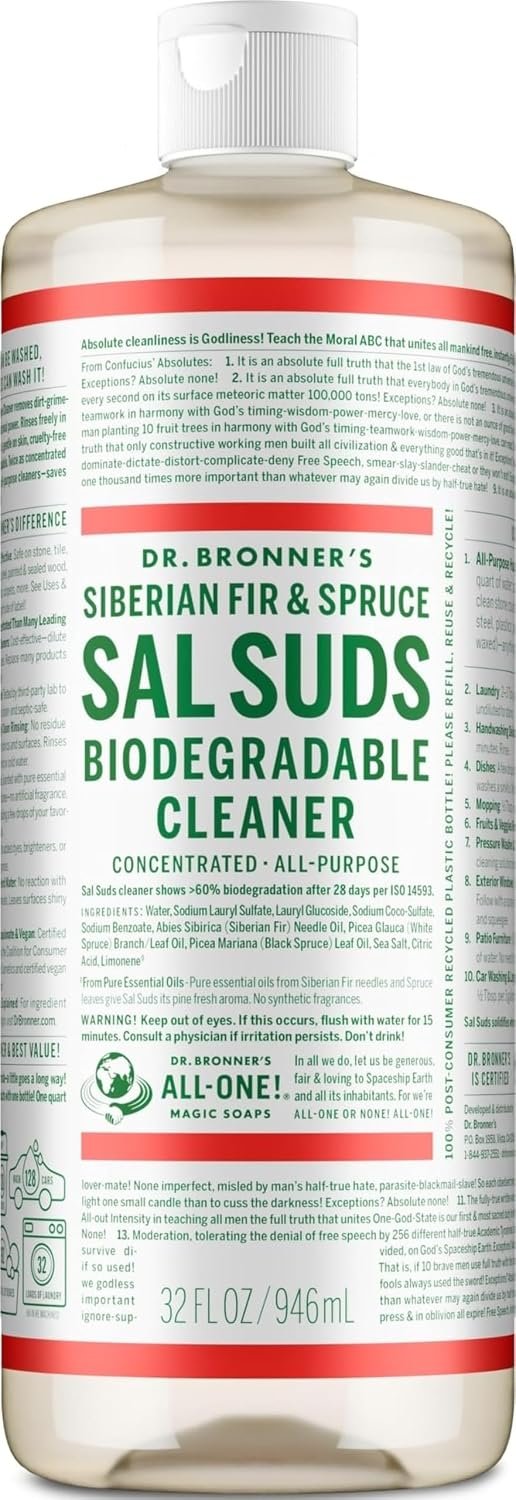
The Recipe (for a 16 oz Powerwash bottle)
- 1–2 teaspoons Sal Suds (start with 1 — it’s concentrated, way more than regular dish soap)
- Fill the rest with distilled water (distilled keeps it from going cloudy in hard water)
- Optional: a small splash (½ tsp) of rubbing alcohol if you have hard water — it keeps things mixed and rinse-clean
Add the Sal Suds and alcohol first, then pour the water in slowly so it doesn’t foam up before the lid’s on. Give it a gentle swirl — don’t shake it into a foam bomb — and you’re done.
💡 The Hack
It’ll foam gentler than Dawn did, and the suds calm down faster. That’s normal — and kind of the point. Aggressive foam was never what cut the grease; the cleansers do that, with or without the bubble show. Start with 1 teaspoon, and nudge up to 2 for a really greasy load.
One bottle of Sal Suds will refill that sprayer over and over for the price of a couple of store-bought refills — so it’s the cheapest swap on this page, too.
The Best Non-Toxic Dish Soap Alternatives
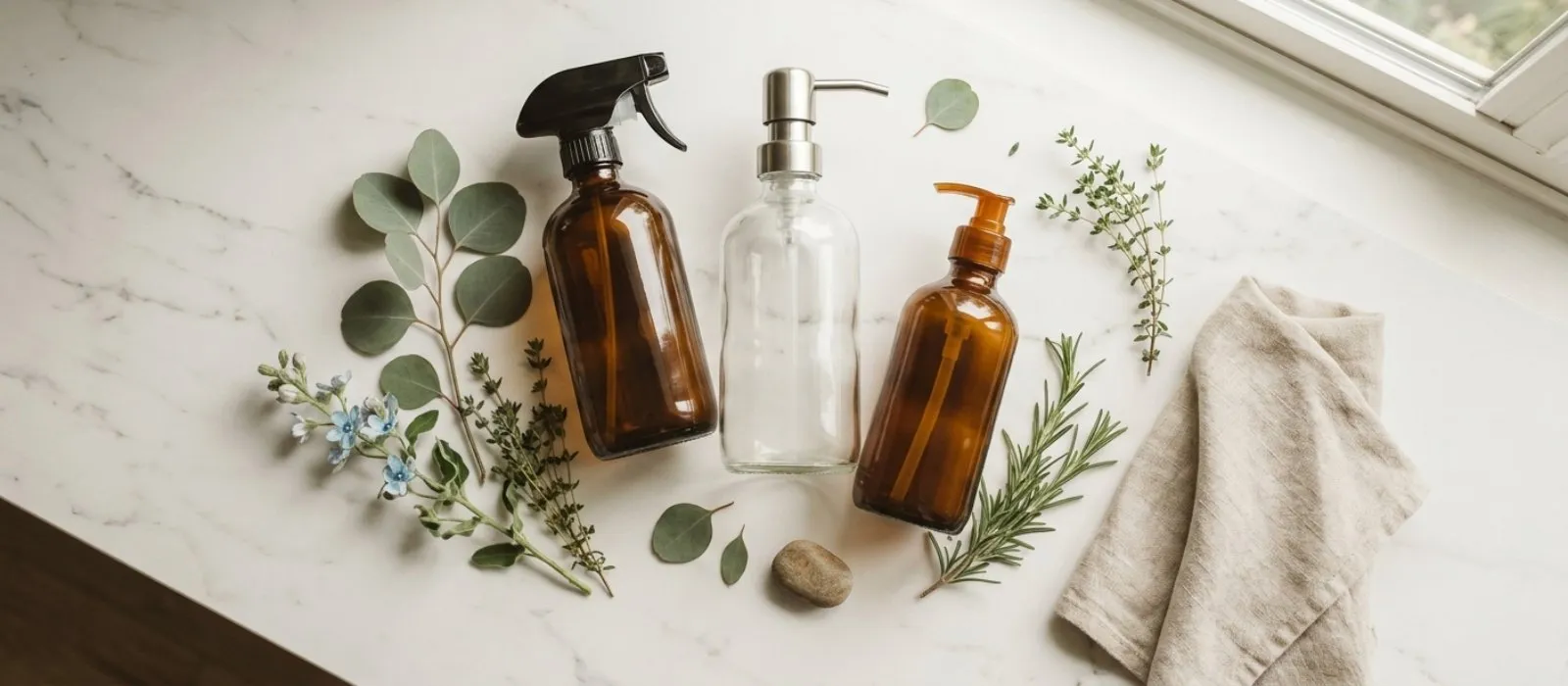
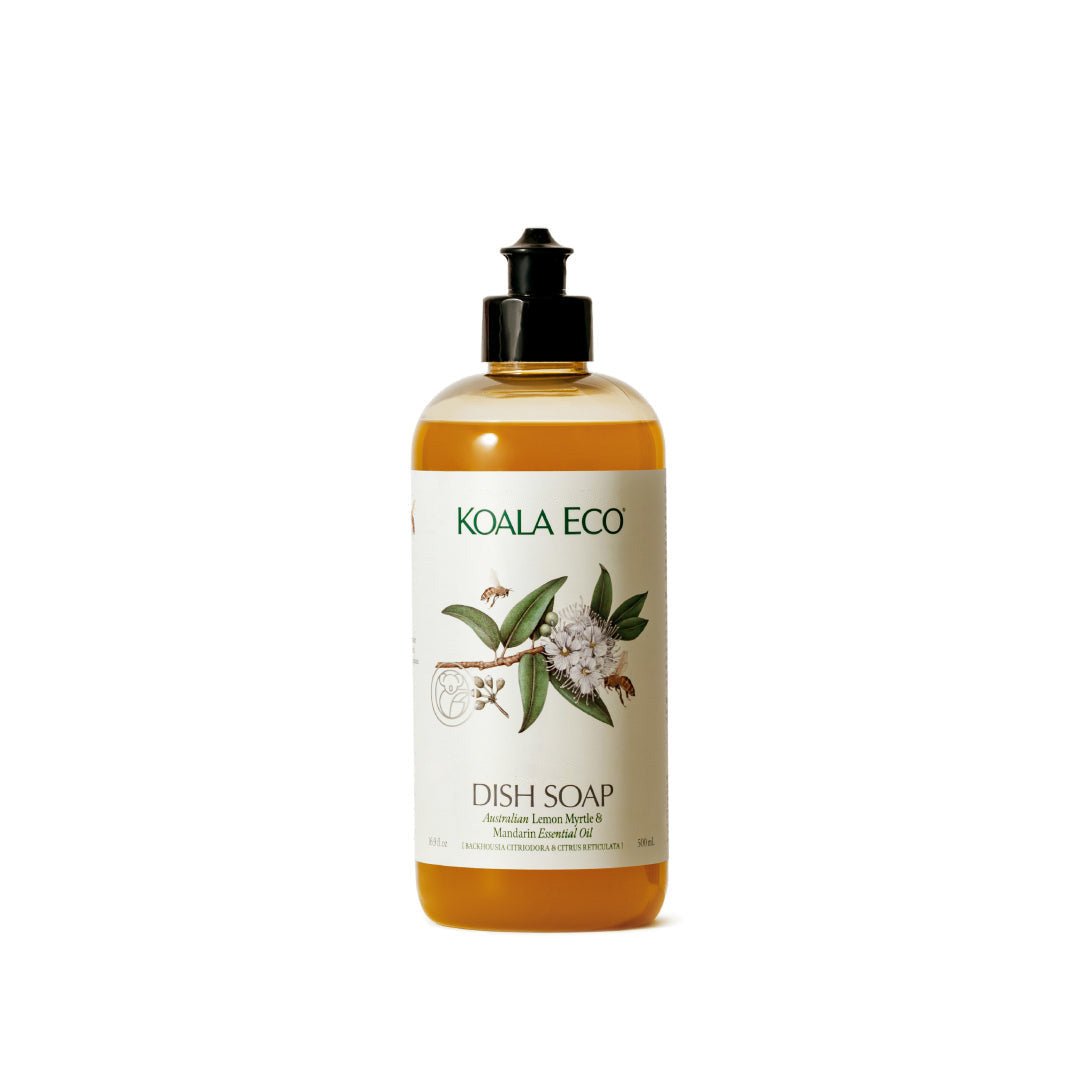
Not a DIY person? Totally fair. You can also just buy a clean bottle and be done. These two are the real deal — and both are independent, founder-led companies, not clean-looking labels owned by the giants you’re trying to avoid.
Formulated to EPA Safer Choice ingredient standards — a government program, not a self-applied “natural” sticker — plus Leaping Bunny cruelty-free and made in the USA. Skips synthetic fragrance, SLES, and the whole 1,4-dioxane pathway, and it’s gentle enough that they recommend it for baby bottles. Still founder-owned: started by a pediatric nurse, named for the daughter she lost.
Shop on Amazon →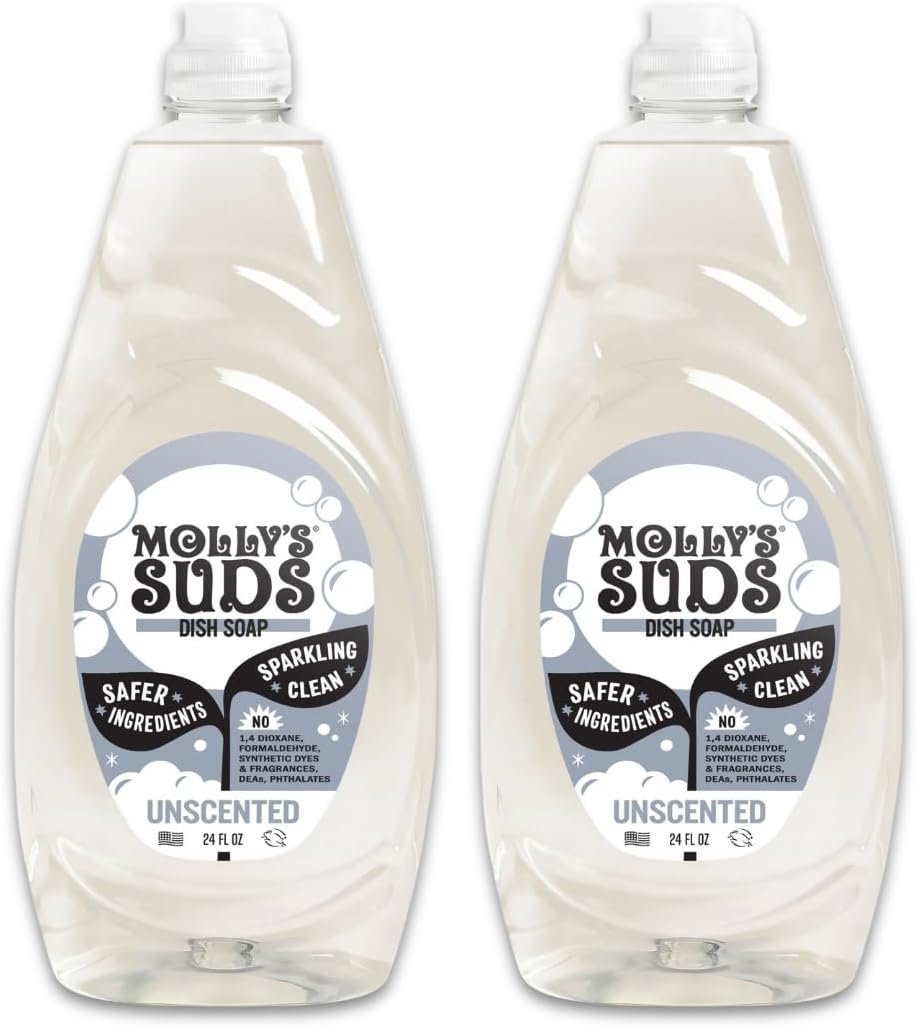
MADE SAFE certified and scented only with real essential oils — a Lemon Myrtle & Mandarin blend that’s weirdly lovely to wash up with. Family-owned and independent, started by two parents after their son’s health scare. A great choice if “fragrance-free” feels like a downgrade — real scent, none of the synthetic stuff.
One honest note: clean dish soaps all foam gentler than Dawn. If you’re used to a sink full of aggressive suds it’ll feel different — but bubbles were never what cut the grease.
And honestly, dish soap is just the start — once you start reading labels at the sink, it’s hard to stop. If you want to clean up the rest of the house too, here are the fragrance-free cleaning products I actually keep around.
The Verdict: Is Dawn Powerwash Safe Enough to Keep?
So — is Dawn Powerwash safe? Here’s my Clean AF take: it isn’t toxic waste, and nobody needs to panic over the bottle under their sink. But it’s a “C” for a reason: synthetic surfactants, hidden fragrance, and solvents you end up breathing — wrapped in a sprayer that makes the breathing-it-in part worse.
If you have asthma, respiratory issues, or skin that reacts — I’d retire it today. No convenience is worth a daily fragrance-VOC hit to your lungs.
If you just love the spray-and-walk-away magic — refill the bottle with the Sal Suds mix above, or grab one of the clean picks, and you barely change your routine. That’s the whole Clean AF philosophy: you rarely have to give up the thing you love. You just have to read the label first.
Happy washing. — Me ♥︎