Best Non-Toxic Silk Pillowcases: What to Look For (And What’s Just Satin in a Trench Coat)
Most “silk” pillowcases are polyester satin wearing a disguise. Here’s how to spot the real thing — and the OEKO-TEX certified picks actually worth sleeping on.
♥︎ Affiliate Disclosure: This post contains affiliate links. If you shop through them, I may earn a small commission at no extra cost to you. Your support keeps Clean AF Life thriving — endlessly appreciated.
The Silk Pillowcase Problem Nobody Talks About
Let’s be honest — silk pillowcases are everywhere right now. Your dermatologist mentions them. Your hair stylist mentions them. Every beauty editor has a “top pick.” And if you’ve gone looking for a non-toxic silk pillowcase specifically, you’ve probably noticed the internet has helpfully responded by flooding Amazon with $12 “silk” pillowcases that are absolutely, definitively not silk.
They’re satin. Polyester satin. Sometimes with the word “silk” in the product title because nobody’s stopping them.
This matters because polyester satin does basically nothing for your skin or hair beyond feeling slippery. Real silk — mulberry silk specifically — has a natural protein structure that reduces friction, regulates temperature, and doesn’t absorb your skincare products while you sleep, so more of your serums end up on your face instead of your pillow. Satin just looks like silk in a product photo.
How to Choose a Non-Toxic Silk Pillowcase
Before we get to the picks, here’s what to actually look for on a label.
Momme Weight
Think of momme like thread count, but actually meaningful. 19 momme is the entry point — fine for starting out. 22–25 momme is the sweet spot for durability and feel. 30 momme is luxury territory. Anything under 19 momme will pill, snag, and fall apart inside a year.
Grade 6A (And Why “6A+” Is a Red Flag)
Silk is graded A through 6A, with 6A being the highest quality long-fiber mulberry silk available. Some brands have started claiming “Grade 6A+” — this grade doesn’t exist. It’s a marketing invention. If a brand is making up certification grades, that’s worth knowing before you hand them your money.
OEKO-TEX Standard 100
This is your non-toxic certification checkbox. OEKO-TEX Standard 100 means the fabric has been independently tested for over 100 harmful substances — dyes, finishes, chemical treatments. Silk can be processed with some genuinely sketchy chemicals, so this certification is what separates “natural fiber” from “actually clean.”
Mulberry Silk on Both Sides
Not all silk is equal. Mulberry silk is the most consistent, highest quality type. Look for 100% mulberry silk on both sides — some brands do a silk-top, polyester-bottom construction to cut costs and don’t exactly advertise it.
The Picks
The Classic
100% mulberry silk, both sides, with OEKO-TEX Standard 100 certification — check the individual product page to confirm for the exact style you’re buying. LilySilk’s 19 momme pillowcase is one of the most accessible entry points into real certified silk, and one of the most well-known names in the space for a reason — consistent quality, transparent materials, and a price that doesn’t require a second mortgage.
Shop LilySilk on Amazon →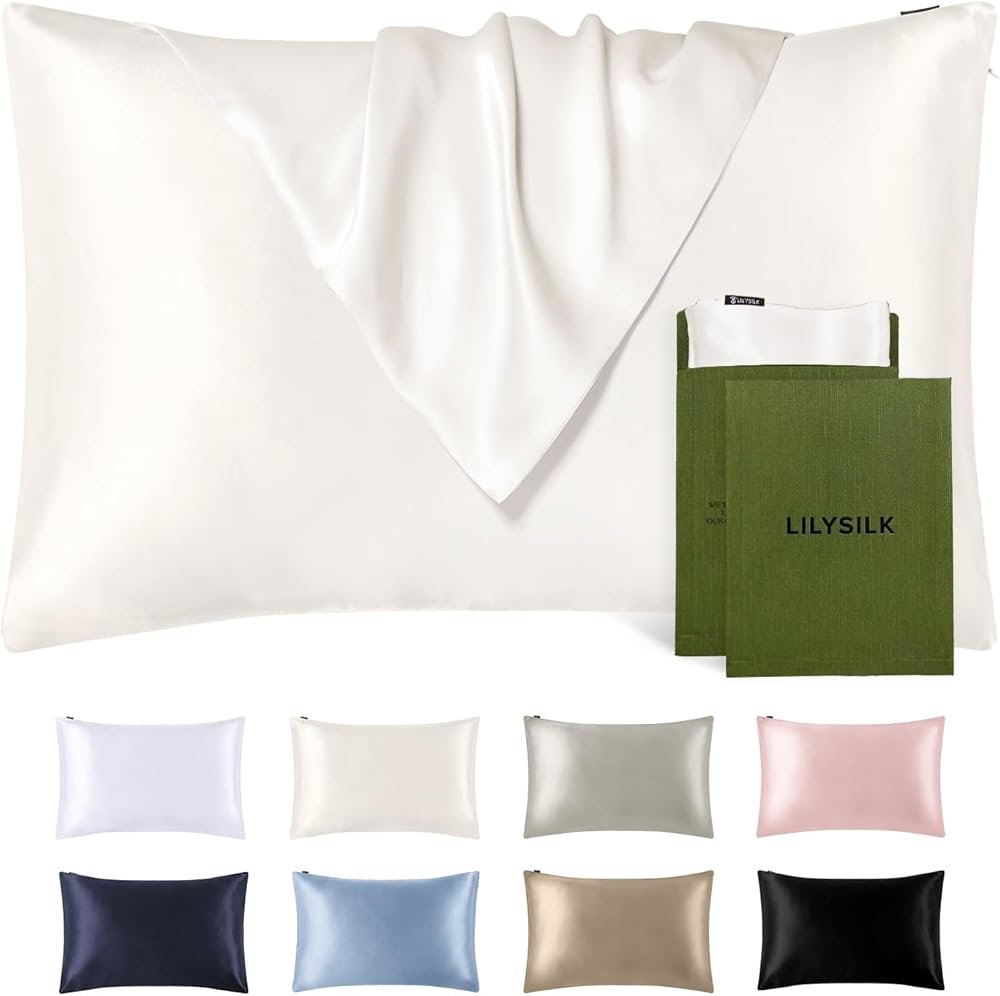
If you’ve never slept on silk and want to find out what the fuss is about without dropping serious cash, start here.
The Sweet Spot
OEKO-TEX certified, Grade 6A, 100% mulberry silk on both sides, 22 momme. A step up from entry-level in momme weight without a big price jump. Wide color selection, solid reviews, and the kind of silk that actually lasts more than six months with proper care.
Shop ZIMASILK on Amazon →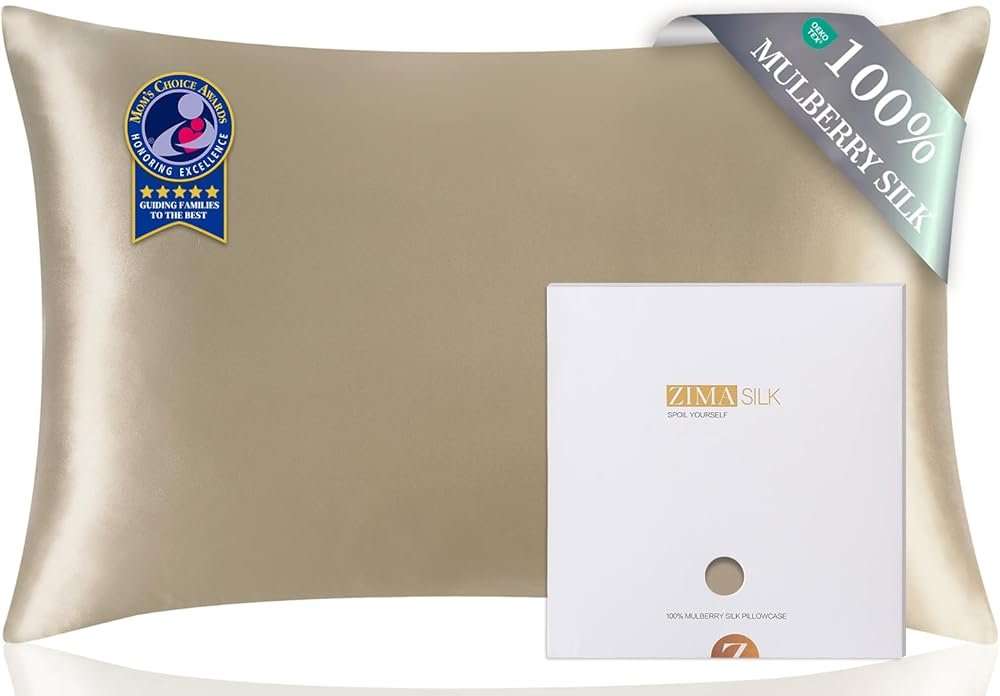
💡 Worth Knowing
Not sure if your silk is real? Silk and polyester behave very differently when exposed to heat — real silk chars and smells like burning hair, while polyester melts. A quick search for “silk burn test” will show you exactly what to look for.
The Award Winner
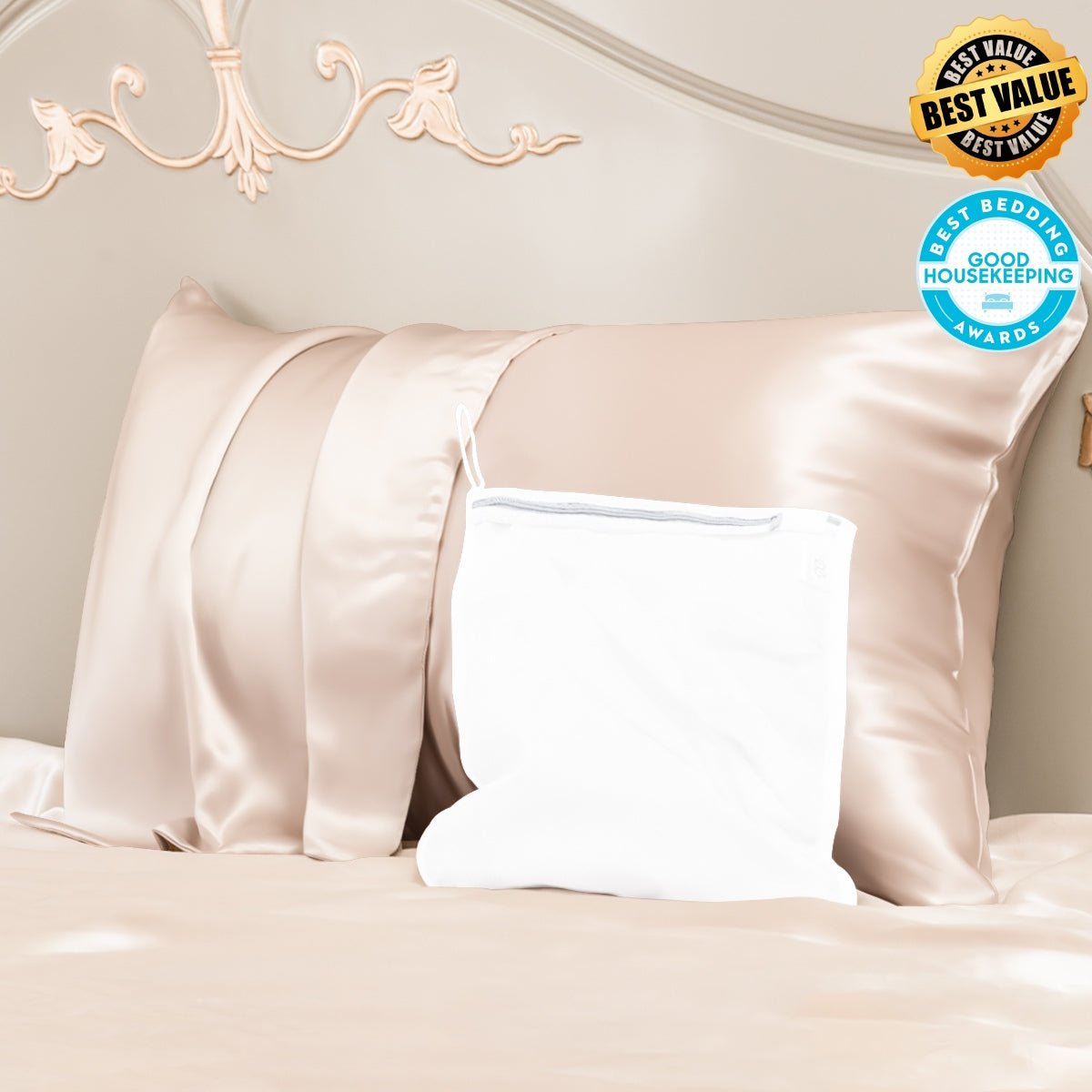
OEKO-TEX certified, 23 momme, Good Housekeeping’s Best Value Silk Pillowcase 2026. Promeed has quietly become one of the most trusted names in the silk space — real mulberry silk on both sides, a hidden zipper that actually works, and a weight that hits the sweet spot between lightweight and luxurious. Solid quality at a price that makes sense, from a brand that’s earned the awards.
The Heavyweight
OEKO-TEX certified, Grade 6A, 25 momme, 100% mulberry silk on both sides. Good Housekeeping’s Best Overall Silk Pillowcase winner multiple years running — including 2025. The highest momme in this lineup and the best price-per-momme ratio of the bunch. If you want to go all in on silk and buy one pillowcase that lasts for years, this is it.
Shop Fishers Finery on Amazon →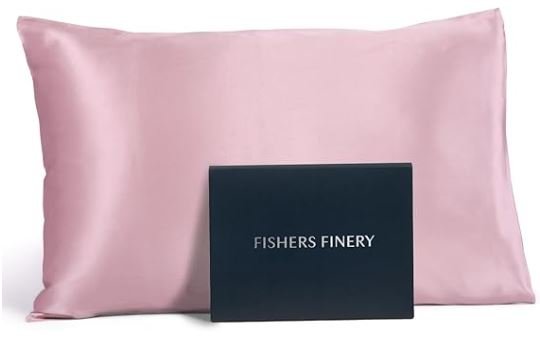
Start Living Low Tox
Sign up for occasional low tox inspo, honest reviews, non-toxic swaps, and helpful picks for a healthier home and lifestyle.
What to Skip
Any pillowcase marketed as “silk” under $15 on Amazon without an OEKO-TEX certification listed. Silk is expensive to produce — if the price seems impossible, the fiber probably is too.
Watch out for these red flags:
- “100% silk” with no certification — “silk” is not a regulated term. Anyone can put it on a label. OEKO-TEX Standard 100 is your only reliable third-party verification that the fabric has actually been tested.
- “Satin silk” or “silky satin” — satin is a weave, not a fiber. Most cheap satin pillowcases are 100% polyester. The word “silky” is doing a lot of heavy lifting on that label.
- No momme weight listed — legitimate silk brands always specify momme weight because it’s a selling point. If a listing skips it entirely, that’s usually because the answer isn’t flattering.
- Suspiciously low reviews with perfect scores — not silk-specific, just Amazon 101.
Ready to Actually Sleep on Silk?
Real certified silk doesn’t have to cost a fortune. LilySilk is your entry point, ZIMASILK and Promeed cover the mid-range, and Fishers Finery is there when you’re ready to go all in.
Just don’t buy the $12 Amazon special and wonder why your hair looks the same.
Want all my bedroom picks in one place? They’re in the Non-Toxic Bedroom Shop. If you’re also shopping for a pillow to go with your new pillowcase, start with the Best Non-Toxic Pillows guide. Your bedroom should be your cleanest room — if you’re not sure where to start, The Bedding Intervention has you covered.
Happy sleeping. — Me ♥︎
Frequently Asked Questions
Is silk actually worth it or is it just a beauty trend?
For hair and skin friction reduction, yes — the science is solid. Real mulberry silk has a smoother surface than cotton and doesn’t absorb moisture the way cotton does. Curly hair and sensitive skin tend to see the most obvious benefit.
How do I wash a silk pillowcase without destroying it?
Cold water, delicate cycle, inside a mesh laundry bag. Mild pH-neutral detergent — not your regular laundry detergent. Air dry flat, away from direct sunlight. Skip the dryer.
What’s the difference between silk and satin?
Silk is a natural fiber. Satin is a weave pattern — it can be made from silk, polyester, or anything else. Most cheap “satin” pillowcases are 100% polyester. Slippery, but zero actual benefit.
What momme weight should I start with?
19–22 momme is the most practical starting point — durable enough to last with proper care, soft enough to feel the difference immediately. 25+ momme if you want to go all in.
Does silk help with allergies?
Mulberry silk is naturally hypoallergenic and resistant to dust mites, mold, and bacteria. The OEKO-TEX certification ensures no chemical residues. Look for the certification, not just the “hypoallergenic” claim — that word is not regulated.